




Is a Track Cutter easy to operate?
 Jan 22, 2026|
 As a reliable track cutter supplier in the industry, I've witnessed a wide range of questions from potential customers. One of the most frequently asked questions is, "Is a track cutter easy to operate?" In this blog, I'll share my insights based on years of experience and product knowledge to help you understand the operability of track cutters.
Understanding the Basics of Track Cutters
Before delving into the ease of operation, let's first understand what a track cutter is. Track cutters are specialized machines designed to cut through railway tracks with precision and efficiency. They play a crucial role in railway maintenance, construction, and repair projects. These machines come in various types, including handheld, semi - automatic, and fully automatic models, each with its own set of features and capabilities.

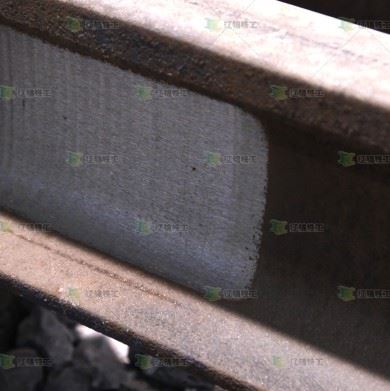
The design of modern track cutters takes into account the need for user - friendliness. Manufacturers understand that operators may have different levels of experience, and thus, strive to make the machines as accessible as possible. For example, many track cutters have ergonomic handles and controls that are easy to grip and manipulate. This reduces operator fatigue during long - term use and makes the overall operation more comfortable.
Key Factors Affecting the Ease of Operation
1. Design and Ergonomics
The physical design of a track cutter significantly impacts its operability. A well - designed track cutter should have a balanced weight distribution. This ensures that it can be maneuvered easily, whether it's being moved along the track or positioned for a specific cut. For instance, if a machine is too heavy on one side, it can be extremely difficult for the operator to control, leading to inaccurate cuts and potential safety hazards.
Ergonomic features such as adjustable handles and controls also contribute to ease of use. Operators can customize the machine according to their body size and working preferences, which enhances comfort and reduces the risk of repetitive strain injuries. Some track cutters even have vibration - dampening technology, which further improves the user experience by minimizing the discomfort caused by machine vibrations.
2. Control Systems
The control systems of track cutters have evolved significantly over the years. Modern machines are equipped with intuitive control panels that are easy to understand and operate. The controls are usually labeled clearly, allowing operators to adjust settings such as cutting speed, depth, and angle with just a few simple steps.
For example, in some high - end track cutters, there are digital displays that show real - time information about the machine's status, including the remaining battery life (for electric models) or fuel level (for combustion engine models). This transparency gives operators better control over the cutting process and helps them make informed decisions.
3. Training Requirements
The ease of operating a track cutter is also related to the training required. A good track cutter should have a relatively short learning curve. Most manufacturers provide comprehensive training programs, either in - person or through online resources, to help operators get familiar with the machine quickly.
These training programs cover various aspects, such as machine safety, basic operation, maintenance, and troubleshooting. With the right training, even novice operators can become proficient in using track cutters in a relatively short period. This not only improves the efficiency of the railway projects but also ensures the safety of the operators and those working in the vicinity.
Real - World Examples of Easy - to - Operate Track Cutters
Let's take a look at some of the track cutters we offer as a supplier. The Rail Cutting Machine For Railway is a prime example of an easy - to - operate machine. It features a simple control panel with clearly marked buttons for starting, stopping, and adjusting the cutting parameters. The machine is also lightweight and easy to carry, making it suitable for on - site railway maintenance tasks.
Another example is the NGM - 4.4II 4kw heavy duty Rail Profile Grinding Machine Rail Welded Joined Grinder. Despite being a heavy - duty machine, it has been designed with user - friendliness in mind. The ergonomic design of the handles and the intuitive control system allow operators to grind the railway profiles with precision, even when working for extended periods.
Our Internal Combustion Rail Waist Grinding Machine is also known for its ease of operation. It has a robust engine that provides reliable power, and the controls are simple enough for operators to understand and use without extensive training. The machine's compact size and maneuverability make it ideal for use in tight spaces along the railway tracks.
Safety Considerations in Operation
While discussing the ease of operation, safety should never be overlooked. Track cutters are powerful machines, and improper use can lead to serious accidents. That's why following safety protocols is an integral part of operating these machines.
Most track cutters are equipped with safety features such as emergency stop buttons, safety guards, and protective shields. These features are designed to prevent operators from coming into contact with moving parts or sharp cutting blades. Additionally, operators are required to wear personal protective equipment (PPE), such as safety glasses, gloves, and ear protection, to minimize the risk of injury.
The training provided by the manufacturer also includes safety instructions. By following these instructions, operators can ensure that they are operating the track cutters safely and effectively.
Maintenance and Its Impact on Operation
Proper maintenance is crucial for ensuring the long - term operability of track cutters. A well - maintained machine is not only more reliable but also easier to operate. Regular maintenance tasks include cleaning the machine, lubricating moving parts, and checking the cutting blades for wear and tear.
When a track cutter is properly maintained, it operates smoothly, and the controls respond accurately. This means that operators can focus on the cutting task at hand without having to worry about unexpected malfunctions. On the other hand, a poorly maintained machine may have problems such as poor cutting performance, increased vibration, and difficulty in adjusting the settings.
Conclusion
In conclusion, track cutters are generally easy to operate, thanks to their advanced design, intuitive control systems, and comprehensive training programs. As a track cutter supplier, we are committed to providing high - quality machines that are both user - friendly and reliable.
If you are involved in railway construction, maintenance, or repair projects, and you're considering purchasing a track cutter, don't hesitate to contact us for more information. Our team of experts can help you choose the right track cutter for your specific needs and provide you with all the necessary support and training. We look forward to partnering with you to ensure the success of your railway projects.
References
- Various industry reports on railway maintenance equipment
- Product manuals of the track cutters we supply