




What are the dimensions of a standard railway car?
 Oct 20, 2025|
 A standard railway car, also known as a railcar, is a crucial component of the railway transportation system. It comes in various types and sizes, each designed to serve specific purposes. As a leading railway car supplier, we understand the importance of providing accurate information about the dimensions of these vehicles to our clients. In this blog post, we will delve into the key dimensions of a standard railway car, exploring how they impact functionality, compatibility, and overall performance.
Overall Length
The overall length of a railway car is a fundamental dimension that significantly influences its capacity and maneuverability. Standard lengths can vary widely depending on the type of railcar and its intended use. For instance, freight cars used for transporting bulk commodities such as coal, grain, or ore are often longer to maximize their carrying capacity. These cars can range from approximately 50 feet (15.24 meters) to over 89 feet (27.13 meters) in length.
On the other hand, passenger cars are typically designed with a focus on comfort and convenience, and their lengths are usually more standardized. Commuter rail cars may be around 60 - 85 feet (18.29 - 25.91 meters) long, while intercity or high - speed rail cars can be up to 100 feet (30.48 meters) or more. The length of a passenger car also affects the number of seats or compartments it can accommodate, as well as the ease of boarding and alighting for passengers.
Width
The width of a railway car is another critical dimension. It is determined by a combination of factors, including the railway gauge (the distance between the inner sides of the rails), safety regulations, and the intended use of the car. In North America, the standard width of a freight car is around 10 feet 8 inches (3.25 meters), while passenger cars are generally slightly wider, often around 10 feet 10 inches (3.30 meters).
In Europe, the standard width can vary depending on the country and the type of rail service. For high - speed trains, the width may be optimized to provide a more spacious and comfortable interior for passengers. A wider car allows for more seating arrangements, larger aisles, and additional amenities such as restrooms and storage areas. However, increasing the width also has limitations, as it must fit within the clearances of tunnels, bridges, and other railway infrastructure.
Height
The height of a railway car is closely related to its function and the infrastructure it will operate on. Freight cars used for transporting tall or oversized cargo, such as automobiles or machinery, may have a greater height. The standard height of a covered hopper car, which is used to transport dry bulk materials like cement or plastic pellets, can be around 13 feet 6 inches (4.11 meters).
Passenger cars also have specific height requirements. High - speed trains often have a streamlined design to reduce aerodynamic drag, which may result in a relatively lower height compared to some traditional commuter or intercity trains. The height of a passenger car must also take into account factors such as headroom for passengers, the installation of overhead luggage racks, and the clearance required for electrical systems and ventilation ducts.
Coupler to Coupler Distance
The coupler - to - coupler distance is an important measurement that affects the connection and operation of multiple railway cars in a train. Couplers are devices used to connect one railcar to another, and the distance between them determines how the cars will interact with each other during movement. This distance is carefully designed to ensure smooth coupling and uncoupling, as well as to maintain the stability and safety of the train.
For freight cars, the coupler - to - coupler distance can vary depending on the type of coupler used and the car's length. In general, it is designed to allow for proper alignment and articulation when the train goes around curves. Passenger cars also have specific coupler - to - coupler distances to ensure a seamless connection between cars, providing a comfortable and safe ride for passengers.
Interior Dimensions
In addition to the external dimensions, the interior dimensions of a railway car are equally important. For freight cars, the interior volume determines the amount of cargo that can be loaded. The shape of the interior, such as the presence of hoppers or compartments, also affects the loading and unloading process.
For passenger cars, the interior dimensions play a crucial role in providing a comfortable travel experience. The width of the aisle affects the ease of movement for passengers, especially during boarding and alighting. The height of the interior provides headroom, and the layout of seats and compartments can vary from open - plan designs to more private cabins.
Our Product Range
As a railway car supplier, we offer a diverse range of railcars to meet the different needs of our clients. Our DPC - 4 Battery Track Car is a compact and efficient option for light - duty track maintenance and inspection. It has been designed with optimal dimensions to navigate through tight spaces on the railway tracks while still providing sufficient power and functionality.
The Battery Rail Trolley is another versatile product in our portfolio. It is suitable for short - distance transportation of small loads or for use in industrial settings. With its well - thought - out dimensions, it can easily maneuver around railway yards and sidings.
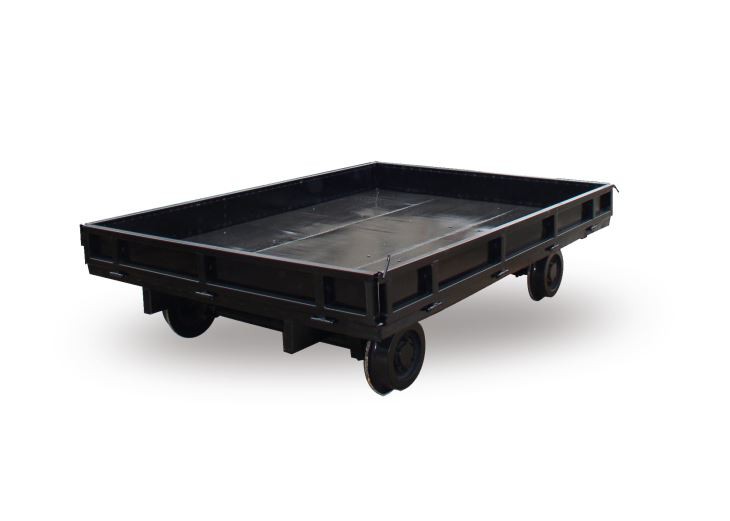
For more heavy - duty applications, our PC - 20 PC - 50 Railcar offers a larger capacity and greater durability. These railcars are designed with dimensions that comply with industry standards, ensuring compatibility with existing railway infrastructure.
Importance of Correct Dimensions
The correct dimensions of a railway car are essential for several reasons. Firstly, they ensure compatibility with the railway infrastructure, including tracks, bridges, tunnels, and loading facilities. A car that is too wide or too tall may not be able to pass through certain sections of the railway network, leading to operational disruptions.
Secondly, proper dimensions are crucial for safety. Railcars must be designed to fit within the clearances specified by safety regulations to prevent collisions with other objects or structures. Additionally, the dimensions affect the stability of the car during movement, especially when going around curves or at high speeds.
Finally, the dimensions of a railway car impact its performance and efficiency. An optimally sized car can carry more cargo or passengers, reducing the number of trips required and improving overall productivity. It also affects the energy consumption of the train, as a well - designed car with appropriate dimensions can reduce aerodynamic drag and rolling resistance.

Contact Us for Your Railway Car Needs
If you are in the market for railway cars, whether for freight transportation, passenger service, or track maintenance, we are here to help. Our team of experts can provide you with detailed information about the dimensions and specifications of our products, as well as assist you in selecting the most suitable railcars for your specific requirements. We understand that every client has unique needs, and we are committed to providing customized solutions.
Contact us today to start a conversation about your railway car procurement. We look forward to working with you to meet your transportation goals.
References
- American Railway Engineering and Maintenance - of - Way Association (AREMA) standards for railway car dimensions.
- International Union of Railways (UIC) publications on rail vehicle design and dimensions.
- Industry reports on railway car manufacturing and operation.